


*** Don't feel like reading? No worries! Watch us discuss this bill on Youtube or our Substack, or listen to the discussion on our Podcast: BillTrack50 Beyond the Bill Number on Apple Podcasts, Spotify, YouTube or where ever you get your podcasts ***
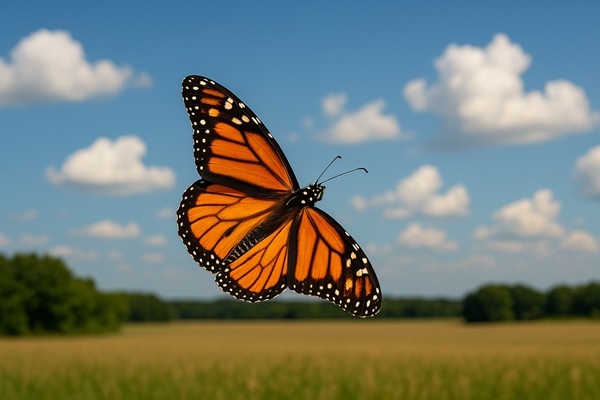
There are few insects that can make people stop mid-sentence and look skyward, but monarch butterflies do it every fall. Their migration—millions of orange-and-black wings pushing thousands of miles to Mexico’s oyamel firs or California’s eucalyptus groves—has become a cultural shorthand for wonder and fragility. Yet those awe-struck moments mask decades of decline.
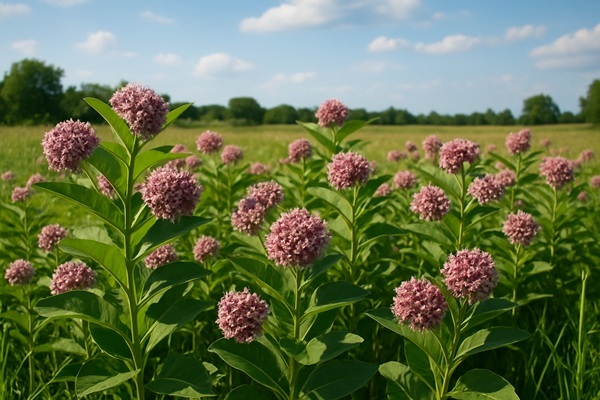
Milkweed is the single most critical plant for monarch butterflies because it is the only host where females lay their eggs and the sole food source for their caterpillars. Without it, the monarch life cycle breaks. Yet milkweed has been steadily disappearing across North America. Modern agriculture has eliminated much of it by combining herbicide-tolerant crops with more frequent, broad-spectrum spraying. Roadside and utility corridor maintenance—often timed to keep rights-of-way tidy or fire-safe—can mow down plants before they seed. Urbanization and the landscaping preference for non-native ornamentals finish the job, replacing once-common wild patches with lawns and hardscape. This quiet, incremental loss of milkweed has left migrating monarchs with far fewer breeding stops and food resources along their long journey.
Eastern monarch numbers have see-sawed to historic lows; the 2023–24 winter shrank to less than a single hectare of occupied forest in Mexico before bouncing back modestly to 1.79 hectares the following year. Western monarchs, once counted in the millions along California’s coast, now hover in the low hundreds of thousands. Habitat loss, climate swings, and pesticides have quietly chipped away at a migration we assumed was permanent.
That sense of impermanence is what’s driving a new wave of policy. In December 2024, the U.S. Fish and Wildlife Service proposed listing the monarch as a threatened species under the Endangered Species Act (ESA), with a tailored Section 4(d) rule. It’s a mouthful of legalese, but the gist is straightforward: protect monarchs and their habitat while making sure farmers, road crews, and backyard gardeners can still act without fear of violating the ESA. The agency also floated designating about 4,395 acres of critical habitat along the California coast.
NCSL’s analysis points out how unusual this approach is—less stick, more carrot. By giving landowners clear, limited prohibitions and safe harbors for habitat work, the Service hopes to keep milkweed and nectar plants in play rather than scaring people off.
A Patchwork of State Action
Many states are also recognizing the importance of preserving these beautiful and iconic creatures, with a variety of different bills in 2025 sessions.
This map shows the bills across the country, click a state to see those bills and click Detail to read the bill.
Pennsylvania’s HB 426 would require state agencies to plant and maintain pollinator habitat on public lands and along rights-of-way. California’s AB 1311 targets rangeland and grassland protection—working lands that can double as nectar highways. North Carolina’s S 329, a trail-system bill, folds pollinator corridors into recreational planning. These aren’t sweeping, headline-grabbing mandates; they’re the kind of quiet, practical nudges that add up to thousands of acres of milkweed and native flowers.
Elsewhere, states have realized that retail plant sales can accidentally undermine pollinator gardens. New Jersey’s A 3017 would stop nurseries from selling milkweed laced with systemic pesticides like neonics—the very chemicals implicated in pollinator declines. Other legislatures are circling similar labeling and pesticide-free guarantees, especially as the federal 4(d) rule invites states to line up their pesticide policies with ESA goals.

Some lawmakers are going big and species-specific. New York’s A 1819 and S 3163 would order the Department of Environmental Conservation to craft a full-blown Monarch Preservation Plan, synchronizing mowing schedules, utility rights-of-way vegetation, and native planting standards statewide.
Even the seemingly fluffy symbolic gestures can matter. Bills from Michigan, Wisconsin, and California proclaim the monarch a state butterfly or establish Western Monarch Week. These don’t create habitat overnight, but they prime the public purse and public attention; agencies are likelier to budget for pollinator work when the state symbol depends on it.
And of course, Congress has noticed. The proposed MONARCH Act of 2025 would pump millions into Western overwintering site restoration and corridor building, dovetailing neatly with what California and other coastal states are trying to do.
Where the Federal Proposal and States Intersect
The Service’s proposed 4(d) rule tries to reward exactly the kind of state action we’re seeing. By spelling out that milkweed and nectar planting are not going to trigger federal penalties—and by inviting states to align pesticide exceptions and mowing standards—Washington is creating room for Pennsylvania’s ROW projects, New Jersey’s treated-plant crackdown, and New York’s statewide plan to thrive rather than conflict with federal law.
Still, the tension points are real. Agriculture and mosquito-control programs want clarity that essential pesticide uses won’t be tripped up; conservationists worry those exceptions could be too broad. Private landowners want carrots—grants, technical help—more than sticks. And along the West Coast, where critical habitat would be designated, local planners will be balancing monarch roost protection against wildfire risk and coastal development.
What Real Progress Will Look Like
The policy metrics are concrete if we choose to measure them. Rights-of-way seeded with native flowers and milkweed. Garden centers dropping pesticide-treated “pollinator friendly” plants. Overwintering groves in California with better canopy cover and cooler microclimates. Eastern monarch hectares holding steady at multi-hectare levels instead of collapsing.
With the ESA listing now on the table and a mosaic of state bills already moving, the country has an unusual moment of policy alignment. The federal floor is set; the real work is happening along highways, on ranch fences, in school gardens, and in state budgets. If lawmakers keep knitting these efforts together—habitat incentives, pesticide transparency, and a healthy dose of public symbolism—the monarch’s orange-and-black tide might rise again.

About BillTrack50 – BillTrack50 offers free tools for citizens to easily research legislators and bills across all 50 states and Congress. BillTrack50 also offers professional tools to help organizations with ongoing legislative and regulatory tracking, as well as easy ways to share information both internally and with the public.